

Give
Legacy Giving
When you include the Alamo Heights School Foundation in your estate plan, your legacy upholds the Tradition of Excellence for generations of Mules still to come. Thank you for ensuring our students' continued success.
Ways to Give
There are many ways to leave a legacy gift to the Foundation. Please consult your attorney or financial advisor to choose the option that best fits your goals.

Gifts from Your Will or Trust
Make a gift of cash, securities, or real estate through your Last Will and Testament or living trust.
See Sample Bequest Language
Beneficiary Designations
Name the Foundation as a beneficiary on retirement plans, IRAs, bank accounts, or brokerage accounts for potential tax benefits.
See Further Details
Gifts Through Trusts
Name the Foundation as a beneficiary in a Charitable Lead Trust, Charitable Remainder Trust, or other irrevocable trust.
See Further DetailsGifts of Life Insurance
Transfer ownership of a paid-up policy, or name the Foundation as beneficiary of a policy at the time of your death.
Donor Advised Funds
Recommend a gift to the Foundation through your Donor Advised Fund, on your timeline.
See DAF OptionsGifts of Appreciated Assets
Give appreciated stocks, bonds, mutual funds, or closely held business stock for a potential tax benefit.
See More InformationCharitable IRA Rollover
If you're 70½ or older, transfer up to $100,000 of your required minimum distribution directly to the Foundation each year and avoid income tax on the distribution.
See Further Details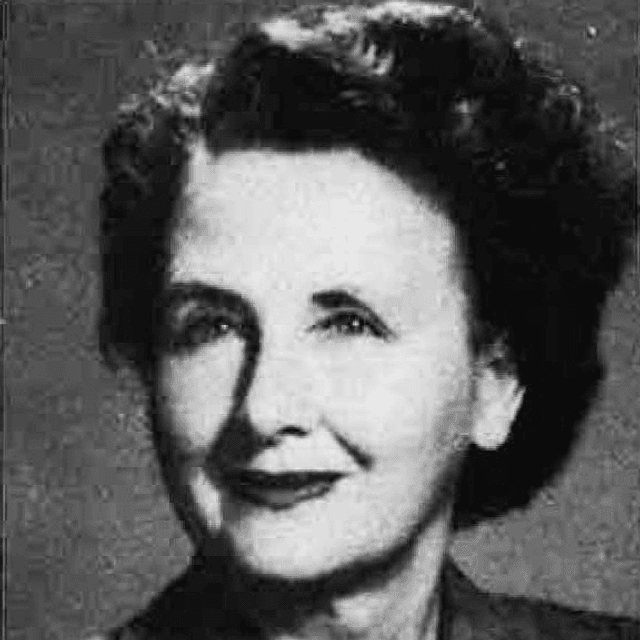
The Oma Vordenbaum
Legacy Society
Donors who include the Foundation in a will, trust, or other legacy gift are welcomed into the Oma Vordenbaum Legacy Society.
Oma Vordenbaum's generosity was instrumental in establishing the Alamo Heights School Foundation in 1971. She taught English at Alamo Heights High School for 27 years and loved the students of Alamo Heights. She left the entirety of her estate to support their education, a legacy that continues to impact students today.
The Foundation thanks Oma Vordenbaum and the following visionary donors whose legacy gifts continue to impact Alamo Heights students' lives:
- Louise Simmons Branson
- Patricia L. Hartman
- Steve Quincy Lee '63
- Robert J. Meador
- Jacqueline Ramsdell
- Paul H. Smith
- Oma E. Vordenbaum
- James Thomas Yokum, Ph.D. '64
If you have included, or are planning to include, the Foundation in your estate plans, please let us know so we can ensure your wishes are fulfilled.
Sample Bequest Language
Please share the following sample language with your attorney.
Specific Bequest in Will
“I hereby give and bequeath (a specific dollar amount, a specific asset, or percentage of my residuary estate) to the Alamo Heights School Foundation (EIN: 23-7282478), or its successors, currently located in San Antonio, Texas.”
Gift in a Living or Management Trust
“My trustee shall give (specific dollar amount, percentage of trust, or all of the remaining trust assets) to the Alamo Heights School Foundation (EIN: 23-7282478), or its successors, currently located in San Antonio, Texas.”
Residuary Bequest in Will
“I hereby give and bequeath my residuary estate to the Alamo Heights School Foundation (EIN: 23-7282478) or its successors, currently located in San Antonio, Texas.”
Please note: if you wish to designate your bequest to a specific purpose or program at the Foundation, please contact us first to ensure your wishes align with the Foundation's needs and its Gift Acceptance Policy.
Beneficiary Designations, In Detail

Retirement Plan or IRA
You may name the Foundation as beneficiary on all or part of a qualified retirement plan or IRA. These assets are typically subject to income and estate tax, but naming the Foundation as beneficiary means no income or estate tax is owed on the portion designated.

Payable on Death Bank Account
You can set up a bank account as “payable on death.” This doesn't change your control, ownership, or management of the account during your lifetime. If the Foundation is named as beneficiary, the account passes to the Foundation automatically upon your death.

Transferable on Death Brokerage or Investment Account
Similar to a payable-on-death bank account, a brokerage or investment account can be set up as “transferable on death.” This doesn't affect your control during your lifetime, and you can designate just a percentage of the account to the Foundation if you prefer.
Gifts Through Trusts, In Detail

Charitable Lead Trust (CLAT)
A CLAT allows you to claim an income tax deduction based on the present value of future annual payments to the Foundation, while retaining the principal left when the trust's term ends. CLATs can be set up during your lifetime, with the remainder benefiting you, or through your will or trust, with the remainder benefiting your descendants.

Charitable Remainder Unitrust (CRUT)
A CRUT allows you to donate assets to a trust and receive payments based on a percentage of the trust's annual value. As the trust's value grows, so do your payments and your eventual gift to the Foundation. The initial donation qualifies for an income tax deduction, with potential capital gains tax savings as well.

Other Irrevocable Trusts
Additional structures, such as a Charitable Remainder Annuity Trust or a Flip Unitrust, may also benefit the Foundation while offering you tax advantages. Consult your attorney to determine which type of trust best fits your goals.

Donor Advised Funds,
In Detail
A Donor Advised Fund (DAF) works like a charitable savings account. You transfer cash, appreciated securities, or other assets into the fund and receive a federal income tax deduction for the gift. From there, you have several options:
- Designate the Foundation to receive all or a portion of your DAF balance through your DAF administrator.
- Make a gift to the Foundation from your DAF at any time.
- Have the balance of your DAF given to the Foundation when your DAF terminates.
Gifts of Assets, In Detail

Publicly Traded Securities
Give stocks, bonds, or mutual funds you own and receive a charitable income tax deduction for their full fair market value at the time of the gift. The Foundation can then sell the security without paying capital gains tax.

Closely Held Business Stock
You may also give closely held stock in a business to the Foundation, which could offer significant capital gains tax savings. This type of gift is subject to the Foundation's Board approval and terms and conditions.

Charitable IRA Rollover,
In Detail
To qualify for a tax-free IRA rollover gift:
- You must be 70½ or older at the time of the gift.
- Transfers must be made directly from a traditional IRA by your IRA administrator to the Foundation. Assets withdrawn by you first, then donated, do not qualify.
- Gifts from 401(k), 403(b), SEP, and other employer plans do not qualify for this tax-free rollover.
- The gift must be completed within the applicable tax year.
Your gift counts toward your Required Minimum Distribution but is not treated as income for federal tax purposes, which means you can benefit even if you've already used your charitable deductions or don't itemize.
Maximum gift: an individual's total charitable IRA rollover cannot exceed $100,000 per tax year.
Let Us Know
Thank you for considering the Foundation as part of your legacy. If you've already included us in your estate plans, or are planning to, we would love to hear your wishes so we can make sure they're fulfilled.
Tell us about your estate plans so we can honor your wishes.
Talk to our team about legacy giving options.